
Is Your Jobsite, Port, or Truck Yard Actually Secure? 5 Questions to Ask Before Your Next Theft
Is Your Jobsite, Port, or Truck Yard Actually Secure? 5 Questions to Ask Before Your Next Theft
Construction sites, ports, rail yards, and truck yards have a shared problem: they're huge, they're busy, and they're full of things worth stealing.
Keeping operations moving is already a full-time job. Keeping assets protected across acres of outdoor space — often overnight, often understaffed — is a different challenge entirely. And it's one that traditional security approaches are increasingly failing to meet.
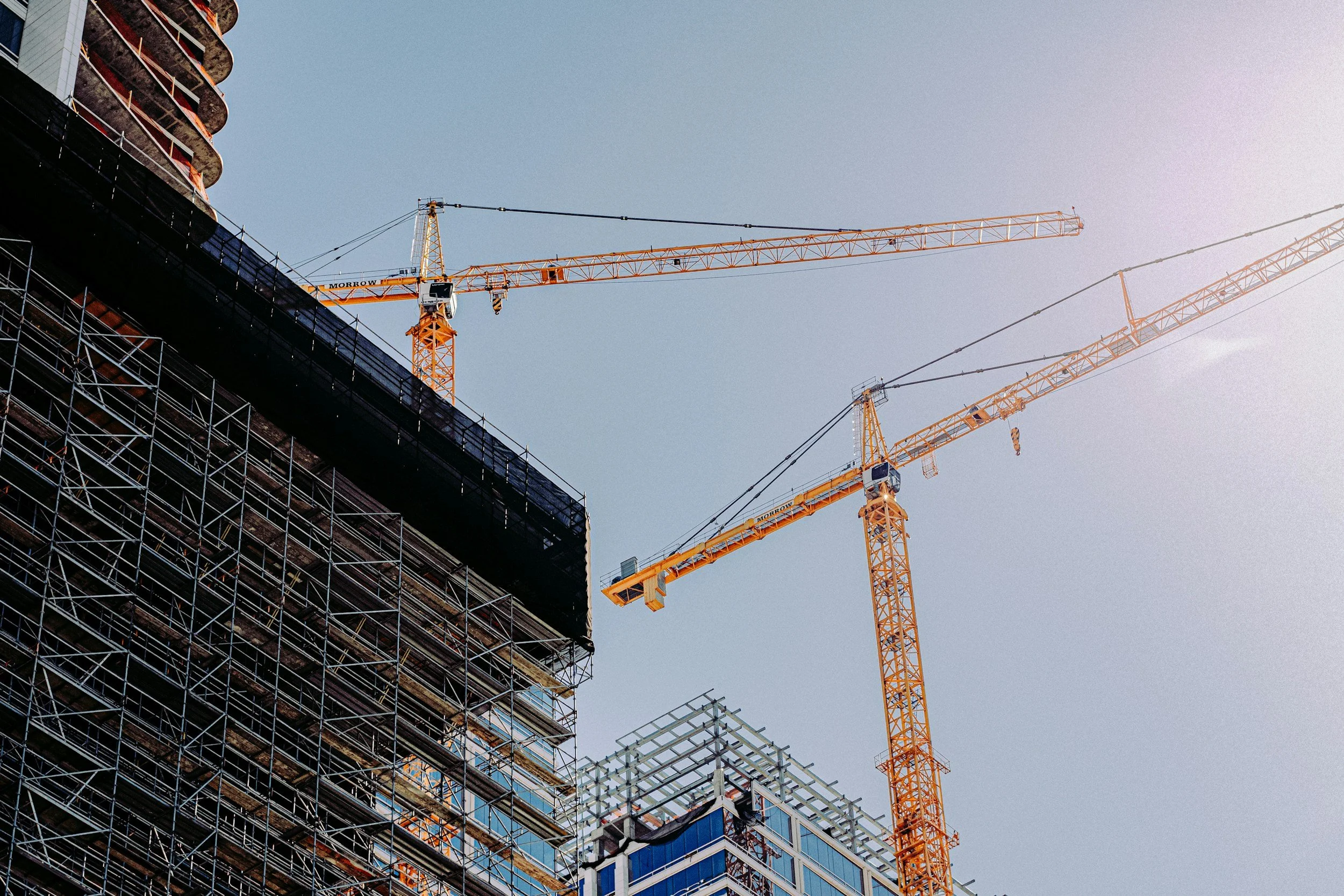
Labor shortages are making guard coverage harder to sustain. Insurance costs are climbing. Theft is getting more coordinated. If you haven't revisited your exterior security strategy recently, there's a good chance it's already behind where it needs to be.
Contact us today for a complimentary sight risk evaluation at 912-777-5721
Start with these five questions.
1. How effective is your current security — honestly?
Most facilities have something in place. Cameras, fencing, a guard rotation. The question isn't whether security exists. It's whether it's actually working.
Some things worth sitting with:
Where are the blind spots along your perimeter?
Can your team respond to a threat while it's happening, or are you mostly reviewing footage after the fact?
Is your system detecting problems — or just documenting them?
In large exterior environments, that distinction matters a lot. Criminal activity tends to cluster in low-visibility areas, during overnight hours, in the corners of a property where nobody's watching closely. A camera that records a theft at 2 a.m. isn't really security. It's evidence collection.
The shift happening across the industry is toward systems that detect and verify threats in real time — AI-driven analytics, intelligent perimeter monitoring, automated alerts — rather than systems that simply capture what already happened.
2. What do you wish were different?
This is the question that usually cuts through the noise. Most security teams already know where the problems are. Delayed response times. Dark corners with no coverage. The same trespassing incidents every few weeks. Guard costs that keep going up. Overnight hours that feel like a gap more than a strategy.
The awareness is usually there. What's missing is a plan that actually addresses it.
A lot of facilities are starting to fill those gaps with autonomous patrol for large outdoor areas, AI detection that can tell the difference between a real threat and a deer, and integrated systems that reduce how much you're depending on physical headcount. Not because technology replaces good judgment, but because some problems are just too big and too spread out to solve with bodies alone.
3. How many thefts have you had this year?
And how many did you actually report internally?
That second question matters because theft on industrial sites tends to be gradual. A few missing materials. Some fuel that's hard to account for. A tool inventory that keeps coming up short. Fencing that gets cut and patched and cut again. It doesn't always feel like a crisis — until you add it up.
Construction materials, copper, fuel, heavy equipment, cargo — these are consistent targets, and the methods are getting more sophisticated. Organized crews know how these sites operate. They know the gaps in coverage. They know when nobody's watching.
The cost isn't just the stolen asset. It's the project delays, the insurance exposure, the time your team spends dealing with the fallout. Reactive security has a price, and it's usually higher than it looks.
4. What has it done to your insurance?
Carriers are paying close attention to loss trends in construction, transportation, and industrial sectors right now. Repeat claims, known vulnerabilities, outdated monitoring systems — these aren't just underwriting footnotes anymore. They translate directly into premium increases, coverage limitations, higher deductibles, and, in some cases, reclassification.
What's changing is that insurers are increasingly evaluating how you're managing risk — not just whether you have a policy. Modern, actively monitored systems carry a different weight in those conversations than a dated camera setup and a guard log.
If your premiums have gone up after theft incidents, that's a signal worth taking seriously before the next renewal.
5. What's your most urgent need right now?
Every site is different, and this question usually surfaces the real priority fast.
Some facilities need better perimeter coverage. Some need reliable after-hours monitoring without the guard cost. Some need fewer false alarms. Some just need a clear picture of where the gaps actually are before they can make a decision about anything else.
What we'd push back on is the idea that the answer is always "more cameras." More cameras on a fragmented, unmanaged system just means more footage of things going wrong. The goal is a connected strategy that fits how your environment actually operates — one that reduces risk without adding operational weight.
What scDataCom does differently
We don't show up with a product catalog. We start with a site evaluation — looking at your exterior surveillance coverage, perimeter vulnerabilities, access control gaps, and where remote monitoring or autonomous technologies could realistically fill in.
Whether you're running a construction site, rail yard, truck yard, port, or logistics hub, the security strategy has to match the operational reality. That's the part that gets missed when it's treated like a product purchase instead of a systems problem.
Exterior environments are genuinely hard to protect. They're large, they change constantly, and they operate around the clock. The organizations that keep dealing with the same theft and visibility problems year over year are usually the ones whose security strategy hasn't kept pace with the threat.
If you want to know whether yours has — or where the real gaps are — that's exactly what a risk assessment is for.