
Structured Cabling Explained: The 5 Subsystems Your Commercial Building Needs
Structured cabling is the nervous system of any modern commercial building. While the terms "structured cabling" and "low voltage cabling" are often used interchangeably, the concept is simple: data, voice, and video have to be transmitted reliably. Today, structured cabling also supports critical management systems like IP security cameras, access control doors, and even power (PoE).
Unorganized, point-to-point cabling creates a tangled, unmanageable jungle that leads to network failures. Structured cabling, on the other hand, is the most secure, reliable, and scalable form of telecommunication infrastructure for a commercial building or campus.
Here is a breakdown of how it works, the five core subsystems involved, and why your business cannot afford to ignore it.
The 5 Subsystems of Commercial Structured Cabling
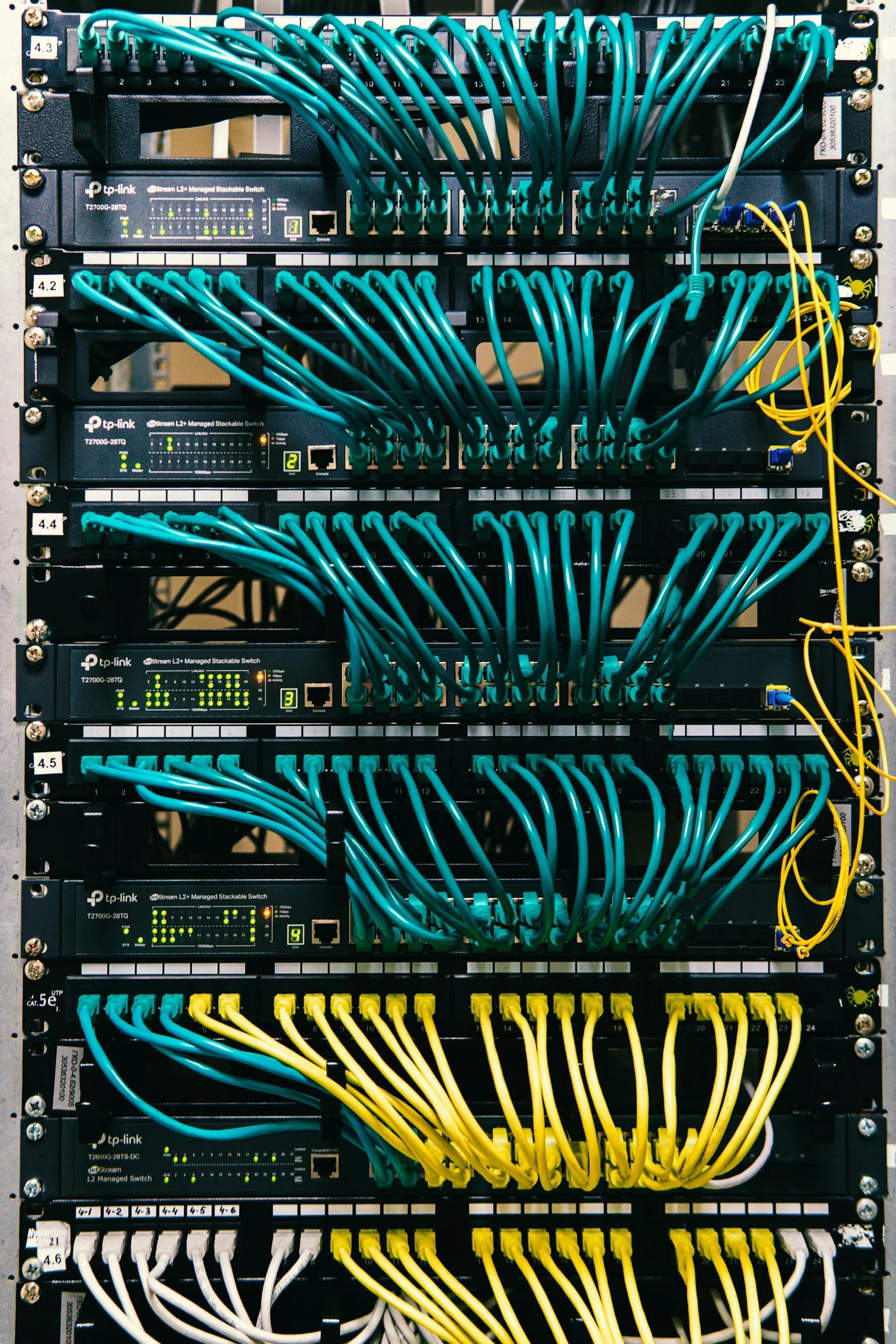
A proper structured cabling system is governed by strict industry standards (like ANSI/TIA) and is composed of smaller, organized elements. When designing the infrastructure for a building, these are the five primary subsystems:
1. Entrance Facility: This is where the outside world connects to your internal network. The entrance facility includes the service provider's demarcation point, protection devices, cables, and connecting hardware that bridge the gap between the on-premises infrastructure and external internet/telecom providers.
2. Telecommunications Room or Enclosure (TR/TE): This is a secure, enclosed area designed to house the heavy-duty telecommunications equipment. It contains the cross-connects, cable terminations, and distribution frames. Most commercial buildings will have at least one main telecommunications room, though large facilities may have multiple on different floors.
3. Backbone Cabling: Also known as vertical cabling, this is the main data highway of your building. Backbone cabling provides the primary interconnection between entrance facilities, telecommunication rooms, and different buildings on a campus. Because it carries massive amounts of data, backbone cabling typically utilizes fiber optic cable or shielded twisted-pair (STP) cable.
4. Horizontal Cabling: If the backbone is the highway, horizontal cabling consists of the local roads. This refers to the cabling that runs from the telecommunications enclosure out to the individual information outlets in the work areas. It includes the horizontal cable itself, mechanical terminations, and the patch cords located in the TR.
5. Work Area: The work area is where your employees and end-user devices actually connect to the network. This includes the communication outlets on the wall, the patch cables, and the connected station equipment (like desktop computers, VoIP phones, IP cameras, or card readers).
Why Commercial Facilities Rely on Structured Cabling
For property managers, industrial warehouses, healthcare facilities, and federal buildings, a reliable network is not optional. Here is why investing in structured cabling is a critical business decision:
Drastically Reduced Downtime: Unorganized cabling is a leading cause of network disruption. If a system is organized, labeled, and routed correctly, human error is minimized. When an issue does occur, technicians can isolate and fix the problem in minutes rather than hours.
Ultimate Scalability: Your business will grow, and your technology needs will change. A structured system allows you to easily add new IP cameras, access control systems, or workstations without having to rip open walls or run completely new wiring from scratch.
Cost-Effective Efficiency: While there is an upfront cost to professional installation, it pays dividends. Properly routed cables maximize airflow in your server rooms, reducing cooling costs and prolonging the life of your expensive network switches.
Quick Tips for a Successful Installation
Demand a Sound Design: Before a single cable is pulled, ensure your design is reviewed by a Registered Communication Distribution Designer (RCDD). An RCDD ensures you are using the right cable types, planning efficient patch ways, and meeting specific airflow and cooling requirements.
Future-Proof Your Cable Choice: There are many cables to choose from, including Cat5e, Cat6, Cat6a, and various fiber optics. Ensure your data infrastructure design meets not just your current bandwidth requirements, but what you will need 5 to 10 years from now.
Protect the Physical Asset: Never bend cables past their specified radius, and always utilize proper cable trays and fiber raceways to protect the lines from physical damage and interference.
Planning a new commercial build or upgrading your current infrastructure? Don't leave your network's backbone to chance.